Skin treatments have evolved significantly, moving from basic facials to advanced clinical procedures that support skin renewal and long-term improvement. Understanding the different options available and what to expect during a session can help you make more informed decisions about your skincare routine.
What Are the Different Types of Skin Treatments?
Facials & Their Benefits
Facials remain one of the most common and accessible skin treatments. They typically begin with a deep cleanse to remove dirt, oil and impurities from the skin’s surface, followed by exfoliation and hydration.
Different facial treatments are designed to address specific concerns. Hydrating facials focus on restoring moisture balance, while detoxifying treatments aim to clear congested pores and remove buildup. Anti-ageing facials often incorporate active ingredients designed to support collagen production and improve skin firmness.
Microdermabrasion & Exfoliation Treatments
Microdermabrasion is a professional exfoliation technique designed to remove dead skin cells from the outer layer of the skin. It typically uses a fine abrasive tip or crystals to gently resurface the skin, encouraging cell turnover and a smoother complexion.
Regular exfoliation treatments can help unclog pores, reduce congestion and minimise the appearance of blackheads and whiteheads. In addition to microdermabrasion, chemical peels are commonly used to achieve similar results.
Laser Skin Treatments
Laser skin treatments use focused light energy to target specific skin concerns at a deeper level. They are commonly used to address pigmentation, acne scarring, fine lines and uneven skin texture.
By stimulating collagen production, laser treatments support skin repair and regeneration over time. They are particularly effective for treating more persistent skin concerns that may not respond fully to topical skincare alone.
What to Expect During a Skin Treatment Session
Consultation & Skin Assessment
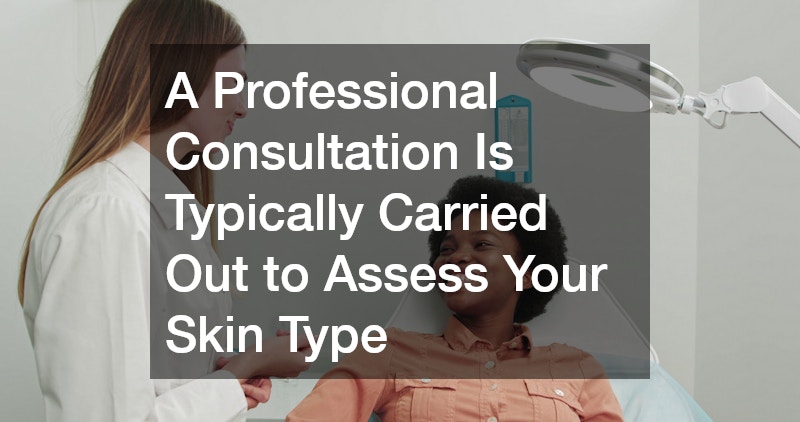
Before any treatment begins, a professional consultation is typically carried out to assess your skin type, concerns and treatment goals. This step is essential in developing a suitable and personalised treatment plan.
During the assessment, a practitioner may examine your skin condition, discuss your skincare routine and identify any sensitivities or underlying issues. This helps guide the selection of appropriate treatments and reduces the risk of adverse reactions.
In some cases, advanced diagnostic tools may be used to gain a deeper understanding of skin health and underlying concerns.
Treatment Application Process
The treatment process will vary depending on the procedure being performed, but most sessions follow a structured approach.
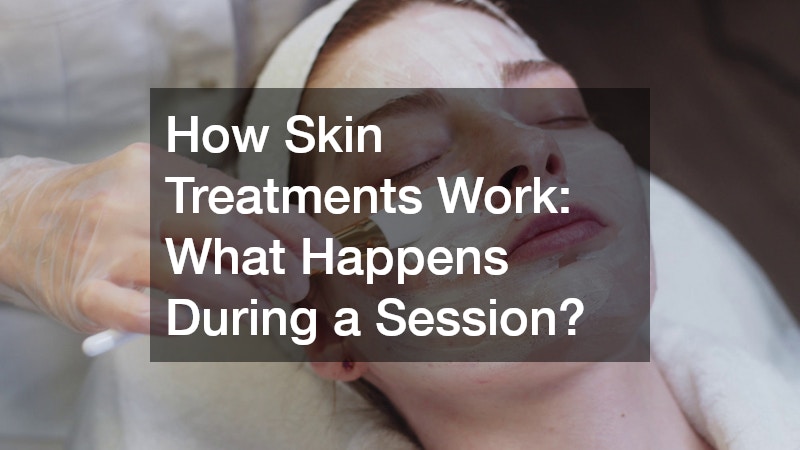
Typically, the skin is first cleansed to prepare the surface, followed by the application of active treatment products such as exfoliants, serums or masks. These products are selected based on your specific skin needs and treatment goals.
Serums containing concentrated active ingredients are often used to target concerns such as dehydration, acne or signs of ageing. Moisturising and barrier-supporting products are then applied to help protect and hydrate the skin following treatment.
How Do Skin Treatments Benefit Skin Health?
Improved Skin Texture & Tone
One of the key benefits of professional skin treatments is improved skin texture and tone. Treatments that encourage cell turnover and collagen production can help smooth rough areas and refine the skin’s surface.
Concerns such as enlarged pores, uneven pigmentation and dullness can often be visibly improved through consistent treatments such as exfoliation, facials or laser therapy. Over time, this can result in a clearer and more balanced complexion.
Reduction in Acne & Breakouts
Targeted skin treatments can also assist in managing acne-prone skin. Professional treatments may include deep cleansing, exfoliation and the use of antibacterial or anti-inflammatory products to help reduce breakouts.
Active ingredients such as salicylic acid are commonly used to help clear congested pores and reduce excess oil. With regular treatment, many people experience fewer breakouts and improved skin clarity over time.
Anti-Ageing Support
Skin treatments can also play a role in reducing visible signs of ageing. Treatments that stimulate collagen production and support skin hydration may help improve firmness, elasticity and overall skin structure.
Options such as laser therapy, chemical peels and advanced facials can help soften the appearance of fine lines and wrinkles while improving overall skin vitality.
Supporting Long-Term Skin Health
Skin treatments are most effective when incorporated into a consistent skincare routine. Regular sessions, combined with appropriate at-home care, can help maintain results and support ongoing skin health.
By addressing specific concerns and promoting skin renewal, professional treatments offer a structured approach to improving both the appearance and condition of the skin over time.
Skin treatments provide more than surface-level improvements. They support long-term skin health, helping individuals achieve clearer, smoother and more balanced skin through targeted, professional care.