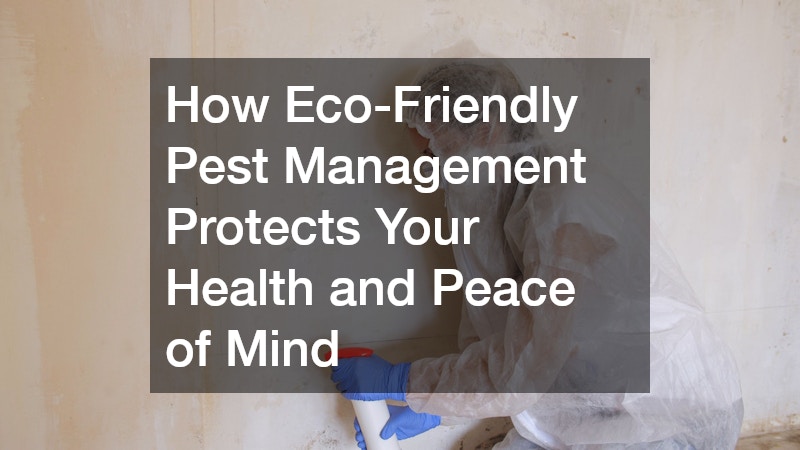
Our homes are meant to be our ultimate sanctuaries—places of safety, rest, and predictable comfort. However, when uninvited pests breach the perimeter, that sense of security can instantly evaporate. A pest infestation is rarely just a structural or cosmetic inconvenience; it is a profound psychological and physical disruptor. The sound of scratching inside a wall at night, the sight of a shadow darting across the kitchen floor, or the sudden discovery of mysterious bites can trigger a cascade of chronic stress, hyper-vigilance, and sleeplessness.
At the same time, the methods traditionally employed to resolve these crises often introduce a secondary layer of anxiety. The prospect of drenching a living space in harsh, indiscriminate synthetic chemicals can be daunting. For many homeowners, this presents a distressing dilemma—a feeling of being caught between two evils: on one side, the very real health risks and discomfort posed by the pests themselves, and on the other, the potential toxicity and health hazards that could result from the chemical treatments.
Fortunately, the modern approach to pest management has evolved. By prioritizing Integrated Pest Management (IPM), ecological awareness, and targeted exclusion, it is entirely possible to restore safety and harmony to your property without compromising your values or your long-term health. These strategies are tailored to protect not only your family but also to maintain the delicate balance of the environment. By understanding and implementing these methods, homeowners can achieve a sense of restored safety and peace of mind, all while ensuring the longevity of both their health and the natural world around them.
Preventing Small Rodent Invasions
When wildlife enters a residential structure, the primary objective should always be exclusion rather than eradication. Small rodents like mice are incredibly opportunistic, seeking out warmth, nesting materials, and caloric abundance. Unfortunately, their presence brings significant health risks, as their droppings and urine can tracking airborne pathogens, trigger severe asthma attacks, and compromise indoor air quality. Resolving this issue humanely requires a deep understanding of animal behavior and a commitment to structural integrity.
To effectively protect your home, you must perform a meticulous exterior audit to locate and seal potential points of entry. Consider implementing the following structural updates:
- Incorporate High-Tensile Steel Wool and Copper Mesh: Mice can squeeze through openings as small as a dime. Pack these materials tightly into weep holes, gaps around utility conduits, and cracks in the foundation before sealing them over with a high-quality exterior caulk. Unlike expanding foam alone, rodents cannot easily chew through metallic mesh.
- Install Heavy-Duty Door Sweeps: Ensure that all exterior doors, particularly those leading into garages or basements, have thick rubber or brush sweeps that sit completely flush with the threshold.
- Keep Vegetation Groomed: Tree branches, dense ivy, and unmanaged shrubbery can act as natural bridges directly to your roofline or siding. Keep all branches trimmed back at least six feet from the structure to eliminate easy access.
- Secure Exterior Waste: Utilize heavy-duty, tightly sealing trash receptacles and store them away from the immediate perimeter of the house. Clean the bins periodically to remove lingering food odors that act as beacons for wildlife.
Relying on traditional snap traps or anticoagulant rodenticides often introduces unnecessary suffering and poses a severe threat of secondary poisoning to local birds of prey and neighborhood pets. A progressive pest control company will focus heavily on these non-lethal exclusion tactics and employ smart, multi-catch live traps if internal removal is required. By focusing your energy on closing the doors to your home permanently, you achieve highly effective, long-term mouse control without turning your living environment into a hazardous zone.
Wood-Destroying and Crawling Insects
Certain pests operate entirely out of sight, quietly compromising the structural components of a house or establishing sprawling colony networks right beneath the floorboards. The realization that an unseen force is eroding the equity of your home can cause immense financial anxiety. Managing these subterranean and crawling threats requires a proactive strategy that eliminates the environmental conditions they need to thrive: namely, moisture, darkness, and accessible cellulose.
To build an inhospitable environment for wood-destroying and foraging insects, homeowners should adopt a strict moisture-management protocol:
- Maintain Proper Grading: Ensure that the soil around your foundation slopes away from the house at a rate of six inches over the first ten feet. This prevents water from pooling against the siding or concrete.
- Eliminate Wood-to-Soil Contact: Wood siding, lattice work, and door frames should sit at least six inches above the final earth grade. Furthermore, never store firewood, scrap lumber, or wood mulch directly against the exterior walls.
- Address Crawlspace Humidity: Install a high-durability vapor barrier over the exposed dirt floors of crawlspaces and ensure that foundation vents are clear of debris to maximize airflow and reduce ambient humidity.
- Fix Minor Plumbing Leaks Instantly: Even a slow, dripping pipe behind a vanity or under a kitchen sink can soften wood and create the perfect microclimate for nesting insects.
When dealing with crawling colonies, understanding their foraging habits is vital. For example, setting up natural, abrasive barriers like food-grade diatomaceous earth along baseboards can deter scouting insects without introducing volatile organic compounds into your breathing air. If a colony has already established itself deeply within your walls, seeking out a professional ant exterminator who utilizes targeted, low-toxicity boric acid baits rather than widespread broadcast sprays can eliminate the root of the problem safely. Combining these targeted interventions with a routine, comprehensive termite inspection service ensures that the bones of your home remain secure, saving you from catastrophic repair bills and providing invaluable peace of mind.
Dealing with Nocturnal Intruders
There are few experiences quite as distressing as knowing that your bedroom—the place where you are most vulnerable—has been compromised by nocturnal pests. The psychological toll of waking up with itchy welts or spotting signs of parasitic activity can quickly lead to chronic insomnia, paranoia, and severe emotional exhaustion. Because these specific pests are highly adept at hiding in the smallest crevices, resolving an infestation demands a methodical, multi-layered approach centered on deep sanitation and physical eradication.
If you suspect your sleeping quarters have been breached, immediate, aggressive intervention can halt the reproductive cycle before it spirals out of control:
- Utilize High-Temperature Laundering: Wash all bedding, linens, curtains, and nearby clothing in water that reaches at least 140°F, and dry them on the highest heat setting for a minimum of 30 minutes to eliminate all life stages of invading insects.
- Encase Mattresses and Box Springs: Invest in high-quality, zippered, allergen-proof encasements for your mattress and box springs. This traps any existing pests inside, preventing them from feeding or reproducing, while making the exterior surface incredibly easy to monitor.
- Dismantle and Vacuum Sleeping Areas: Take apart bed frames and vacuum every joint, screw hole, and seam meticulously. Use a vacuum equipped with a HEPA filter, and immediately empty the contents into a sealed bag outside the home.
- De-clutter the Floor Space: Remove any cardboard boxes, loose papers, and under-bed storage items. Reducing clutter removes the chaotic hiding spots that shield pests from view.
When an infestation is severe, traditional chemical treatments can be incredibly disruptive, often requiring families to vacate their homes for extended periods while leaving behind chemical residues. Fortunately, modern advancements have made it possible to bypass these harsh methods. Specialized bed bug treatments that rely on controlled ambient heat or intensive steam applications can neutralize pests safely and organically in a single day. Similarly, clearing out a resilient infestation without relying on a conventional, heavy-handed cockroach exterminator is entirely achievable through the precise placement of non-volatile insect growth regulators and targeted botanical gels. This ensures your bedroom remains a clean, restorative space where you can sleep deeply once again.
Balancing Pollinators and True Threats
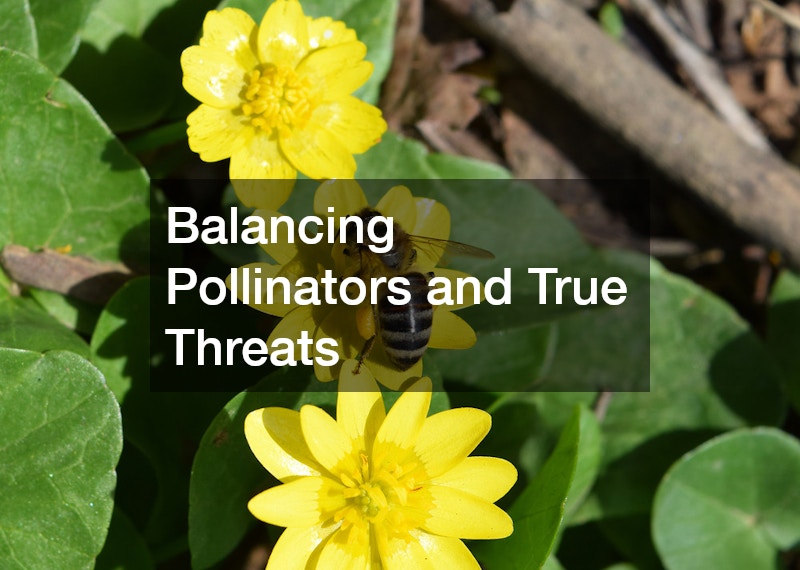
Your outdoor living spaces should serve as an extension of your indoor sanctuary—a place for relaxation, gardening, and recreation. However, an overabundance of biting or stinging insects can quickly trap your family indoors. The challenge of outdoor pest management lies in striking a careful balance: you want to mitigate genuine health threats and painful stings without decimating the local ecosystem or killing off essential pollinators like butterflies and honeybees.
Transforming your yard into a comfortable, balanced ecosystem requires reducing breeding habitats and utilizing selective, natural deterrents:
- Tip, Toss, and Drain Standing Water: Inspect your property weekly for any source of stagnant water. Empty birdbaths, pet bowls, flowerpot saucers, clogged gutters, and children’s toys. Even a bottle cap full of rainwater can harbor hundreds of insect larvae.
- Introduce Biological Controls: For water features, ponds, or un-drainable areas, utilize naturally occurring bacteria like Bacillus thuringiensis israelensis (Bti). These larvicide dunks specifically target biting insect larvae without harming fish, birds, frogs, or plants.
- Incorporate Flora-Based Deterrents: Plant naturally repellent herbs and flowers around seating areas. Lavender, marigolds, lemongrass, rosemary, and peppermint can naturally discourage pests due to their potent essential oils.
- Encourage Natural Predators: Install bat houses, bird feeders, and owl boxes to welcome native predators into your yard. A single insectivorous bat can consume thousands of flying pests in a single evening.
By focusing heavily on source reduction and biological management, you can enjoy your patio without needing a broadcast chemical mosquito exterminator that blankets your yard in indiscriminate toxins. Furthermore, if you locate an established hive of beneficial insects on your property, true bee control services will always prioritize live relocation. By partnering with local apiarists to gently move the colony to a safe environment where it can continue its vital work, you protect your family while honoring your commitment to the environment.
Navigating High-Risk Stings and Pet Safety

While many outdoor insects are purely a nuisance, certain stinging pests pose immediate, high-risk safety hazards. Yellowjackets, hornets, and aggressive wasps frequently build nests under eaves, inside wall voids, or near doorways. For families with young children, curious domestic animals, or individuals with severe allergies, these nests represent an immediate physical threat. The dilemma for pet owners and parents is ensuring that the remedy doesn’t pose as much of a risk to their loved ones as the pests themselves.
When a high-risk nest is discovered, taking immediate, safe action is paramount to avoiding defensive swarms:
- Identify the Activity Hotspots Early: In the spring, watch the exterior of your home for solitary insects entering and exiting small gaps. Catching a nest while it is the size of a golf ball is far safer than dealing with a mature colony in late summer.
- Modify Outdoor Dining Habits: Stinging insects are heavily drawn to sugars and proteins. Keep all outdoor food covered, use lids on trash cans, and avoid leaving open soda cans or pet food bowls unattended on decks.
- Seal Structural Voids: Repair torn window screens, seal gaps in soffits, and cap open pipe ends to prevent queens from selecting your home’s infrastructure as a nesting site.
Attempting a dangerous, late-stage DIY wasp removal using retail aerosol sprays can result in severe stings, and it often introduces highly concentrated toxins right where your children and pets play. Instead, the safest recourse is to work with professionals who specialize in pet-safe pest control. These experts utilize targeted delivery systems, physical extraction tools, and plant-derived essential oils (such as rosemary, thyme, and wintergreen) that neutralize immediate structural threats cleanly and effectively. This methodology completely eliminates the hazard to your family while keeping your immediate environment free of persistent chemical compounds.
Achieving a healthy, harmonious home does not require an ongoing war against the natural world, nor does it necessitate filling your living spaces with volatile chemical agents. The true path to sustainable peace of mind lies in understanding the root causes of pest pressures—such as structural vulnerabilities, excess moisture, and accessible food sources—and addressing them with precision, empathy, and ecological awareness.
By embracing modern, humane management practices, you protect your family from the very real health risks associated with pests while preserving the integrity of your home and the surrounding ecosystem. A thoughtful, proactive approach allows you to confidently reclaim your space, transforming your home back into the safe, serene sanctuary it was always meant to be. These management strategies, deeply rooted in ecological awareness and empathy, aim not only to control pests but to do so in a way that minimally impacts the broader environment. It is this balance that ensures our homes can be sanctuaries where peace and safety reign.